💓 Hormonerelated breakouts | Demystifying Hormonal Acne 💓
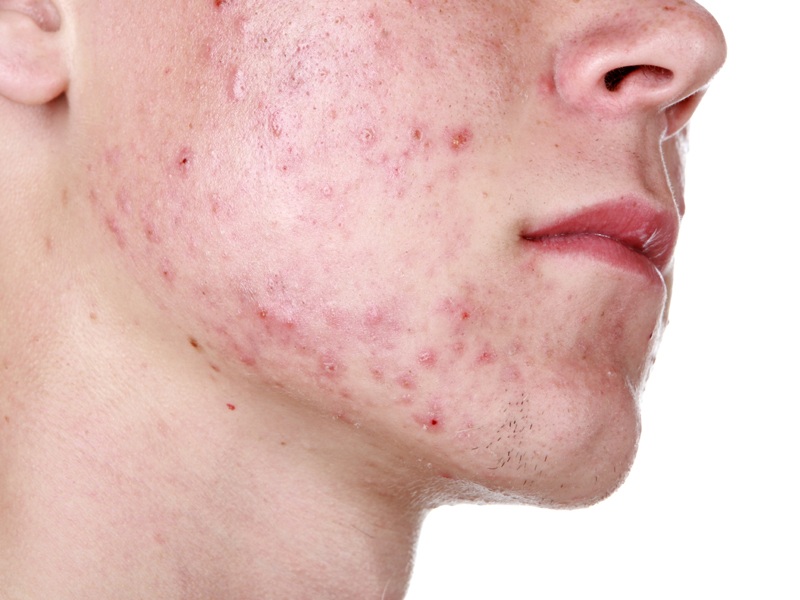
{Hormonal acne is actually a sort of acne that is definitely a result of hormonal imbalances in the human body
Hormonal Havoc Demystifying Acne Triggers and Solutions typically in the course of puberty, menstruation, pregnancy, or as a result of specified clinical Hormonal Havoc Demystifying Acne Triggers and Solutions conditions like polycystic ovary syndrome (PCOS). It can be aggravating and emotionally distressing for many who put up with it, but with the ideal Hormonal Havoc Demystifying Acne Triggers and Solutions approach, it can be done to manage as well as very clear up hormonal acne. In this tutorial, We'll delve into the small print of hormonal acne and Hormonal Havoc Demystifying Acne Triggers and Solutions provide actionable tips that may help you reach obvious, healthy skin Hormonal Havoc Demystifying Acne Triggers and Solutions.
Understanding Hormonal Acne
Hormonal acne is typically characterised by deep, cystic pimples which might be distressing and sometimes depart scars. It usually appears on the lessen Portion of the Hormonal Havoc Demystifying Acne Triggers and Solutions deal with, such as the chin, jawline, and neck. Hormonal imbalances in the human body, precisely an increase in androgen ranges, can set off an overproduction of sebum (oil) from the pores and skin, resulting in clogged pores and the formation of acne. Hormonal Havoc Demystifying Acne Triggers and Solutions
One of the more frequent misconceptions about hormonal acne is the fact that it only Hormonal Havoc Demystifying Acne Triggers and Solutions influences teens undergoing puberty. When it's true that hormonal changes during puberty can cause acne, hormonal acne can have an affect on folks of all ages, like Grownups. Menstrual cycles, pregnancy, and using particular Hormonal Havoc Demystifying Acne Triggers and Solutions medicines or contraceptives may also disrupt hormonal stability and bring about acne breakouts Hormonal Havoc Demystifying Acne Triggers and Solutions.
{Tips for Controlling Hormonal Acne
{Hormonal Havoc Demystifying Acne Triggers and Solutions Managing hormonal acne needs a multi-faceted technique that addresses the underlying hormonal imbalances along with the signs to the skin. Here are a few guidelines which can help you Hormonal Havoc Demystifying Acne Triggers and Solutions successfully deal with hormonal acne and reach very clear skin:
1. Maintain a Healthy Lifestyle: Eating a balanced diet, getting regular exercise, and managing stress can help regulate hormones in the body and reduce the risk of hormonal acne. Avoiding high-sugar and high-fat foods, processed foods, and dairy products may also help in managing hormonal imbalances.
2. Follow a Consistent Skincare Routine: A gentle and consistent skincare routine can help keep your skin clean and clear. Use a gentle cleanser, avoid harsh scrubs or abrasive products that can irritate the skin, and use non-comedogenic moisturizers and sunscreens to prevent clogged pores and protect your skin from UV damage.
3. Use Topical Treatments: Over-the-counter topical treatments containing ingredients such as benzoyl peroxide, salicylic acid, and retinoids can help control acne breakouts by reducing inflammation, unclogging pores, and promoting skin cell turnover. However, it is important to choose products that are suitable for your skin type and consult with a dermatologist if you have any concerns.
4. Consider Hormonal Therapy: For severe hormonal acne that does not respond to topical treatments, hormonal therapy may be recommended. This can include oral contraceptives, anti-androgen medications, or other hormonal medications prescribed by a healthcare professional. These medications work by regulating hormonal imbalances in the body and can help control acne breakouts.
5. Avoid Picking or Squeezing Acne: Picking or squeezing acne can cause further inflammation and scarring. It is important to resist the urge to pick or pop pimples and instead allow them to heal naturally. If you are concerned about the appearance of acne scars, consult with a dermatologist for appropriate treatment options.
6. Consider Professional Treatments: In addition to the above-mentioned tips, there are various professional treatments that can be considered for managing hormonal acne. These treatments are typically performed by dermatologists or skincare professionals and may include:
7. Chemical Peels: Chemical peels involve the application of a solution to the skin that helps exfoliate the top layer of dead skin cells, unclog pores, and reduce inflammation. This can help improve the overall texture and tone of the skin and reduce acne breakouts.
8. Laser or Light Therapy: Laser or light therapies, such as photodynamic therapy (PDT) or intense pulsed light (IPL), can help target and kill the bacteria that contribute to acne breakouts. These treatments can also help reduce inflammation and promote healing of the skin.
9. Extraction: Extraction is a professional technique used to remove stubborn acne lesions that are not responding to other treatments. It involves the use of sterile instruments to gently extract the contents of the pimple, reducing inflammation and promoting healing.
10. Corticosteroid Injections: Corticosteroid injections are used for treating severe cystic acne that is painful and causing inflammation. These injections help reduce inflammation and promote healing, providing relief from painful acne lesions.
11. It is important to note that professional treatments should be done under the guidance of a qualified dermatologist or skincare professional, as they may have potential side effects and risks.
Conclusion
Hormonal acne can be a challenging condition to manage, but with the right approach and consistency, it is possible to achieve clear and healthy skin. Maintaining a healthy lifestyle, following a consistent skincare routine, using topical treatments, considering hormonal therapy, avoiding picking or squeezing acne, and considering professional treatments are all important strategies for managing hormonal acne effectively. Consulting with a dermatologist or skincare professional can provide personalized recommendations and guidance based on your specific skin condition and needs. With proper care and treatment, you can outrank hormonal acne and achieve the clear skin you desire.
Definition of Acne Hormonal
B
Importance of Understanding Hormonal Acne
II. Understanding Hormonal Imbalance and Acne
A
B
C
Impact of Hormonal Changes on Acne in Different Age Groups
III. Signs and Symptoms of Hormonal Acne
A
Identifying Hormonal Acne Symptoms
C
IV. Common Causes of Hormonal Acne
A
B
Pregnancy and Postpartum Hormonal Shifts
D
Hormonal Medications and Hormonal Acne
V. Diagnosis and Evaluation of Hormonal Acne
Consulting with a Dermatologist
B
C
D
VI. Treatment Options for Hormonal Acne
A
B
Hormonal Therapy for Hormonal Acne
Lifestyle Changes and Home Remedies for Hormonal Acne
Combining Different Treatment Approaches
VII. Managing Hormonal Acne: Do's and Don'ts
A
B
Avoiding Triggers and Irritants
Dealing with Scarring and Hyperpigmentation
Psychological and Emotional Impact of Hormonal Acne
VIII. Prevention of Hormonal Acne
A
Proper Skincare and Cleansing Routine
Managing Stress and Sleep Patterns
Regular Check-ups and Monitoring of Hormonal Health
IX. Frequently Asked Questions (FAQs)
Can Hormonal Acne Occur in Men?
Is Hormonal Acne Only Limited to the Face?
How Long Does Hormonal Acne Last?
Can Hormonal Acne Be Cured?
What Should I Avoid if I Have Hormonal Acne?
F
X. Conclusion
A
Importance of Seeking Professional Help
C
Encouraging Early Detection and Treatment
💓 Hormonerelated breakouts | Demystifying Hormonal Acne 💓 Hormonerelated breakouts

Post a Comment for "💓 Hormonerelated breakouts | Demystifying Hormonal Acne 💓"